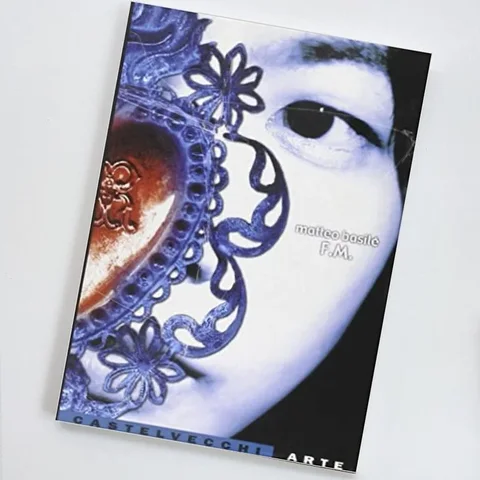
Video works · 2025
Pholisma Sonorae
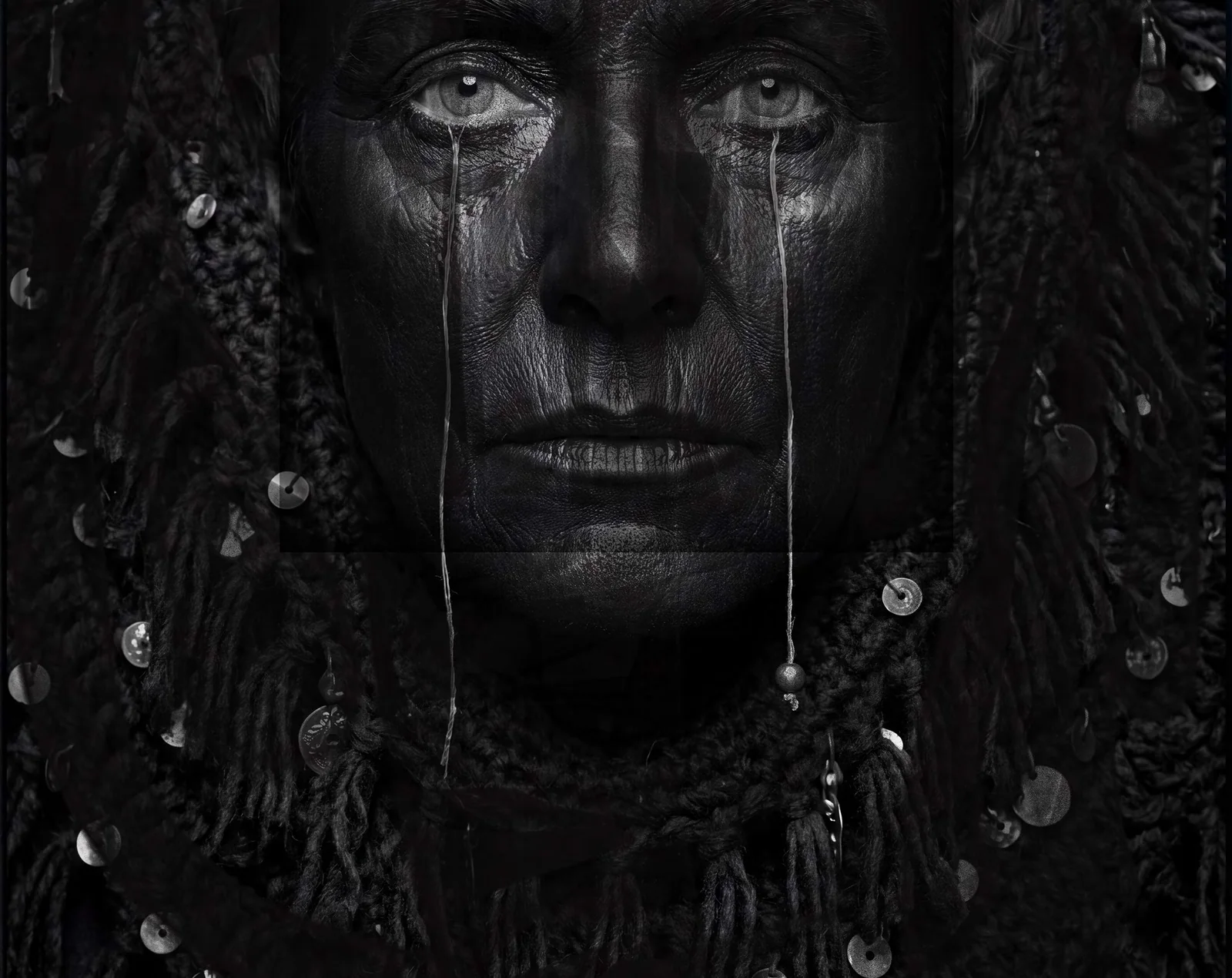
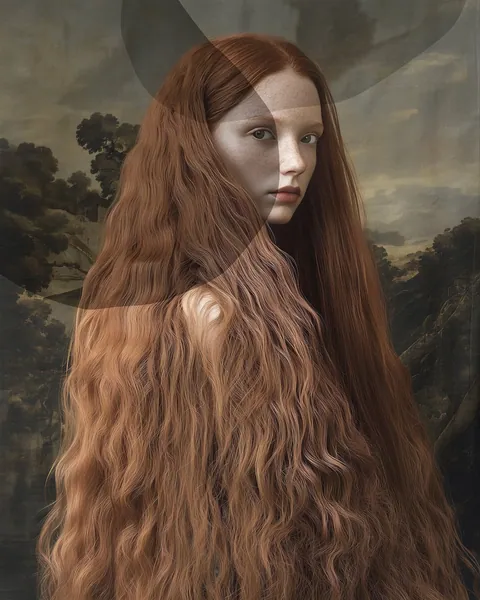
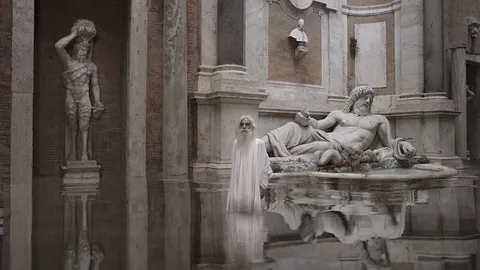
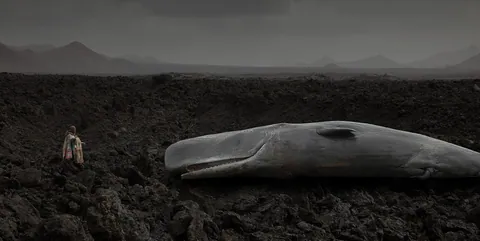
With Pholisma Sonorae, Matteo Basilé reimagines the contemporary portrait, navigating a liminal space where identity, technology and perception converge. The portrait as augmented vision and symbolic synthesis.
Istituto
Italiano
di Cultura
Paris
13 November 2026
22 January 2027
Opening Thursday 12 November 2026, 6.30 pm, in the presence of the artist
On the occasion of Paris Photo 2026 · curated by Antonio Calbi, Dominique Moulon
Music
Marco Del Bene (MKDB)
On view
Italian Cultural Institute, Paris, from 12 November 2026
There is a word Dante had to invent because none would do: trasumanar. To go beyond the human, to pass through it. And at once he admits it “may not be told in words”: it cannot be said, only lived. Matteo Basilé’s film is an attempt to live it with the eyes.
It is not a place, it is a threshold. A land without maps or flags, where ash borders snow and sea borders sky, crossed by the last. Not the last of the end: the last of the Gospel, those who shall be first. An old man shouting a silence, two bodies turning like prayers, two exiles fallen from heaven with a whole life on their shoulders, a face that holds every border. Then the white, and water steaming like a baptism.
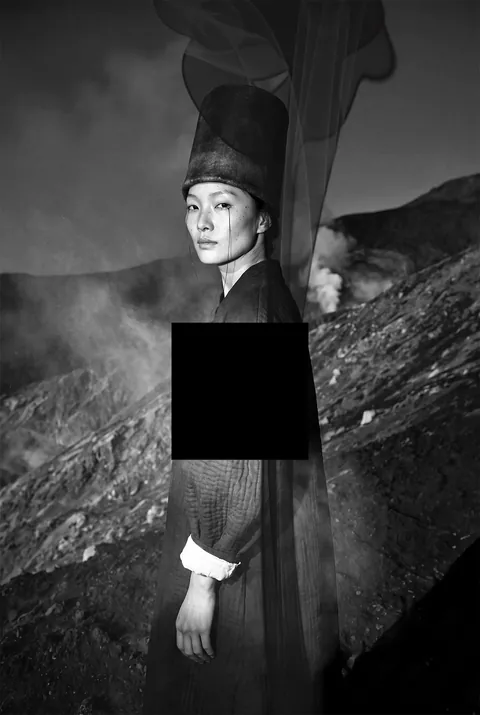
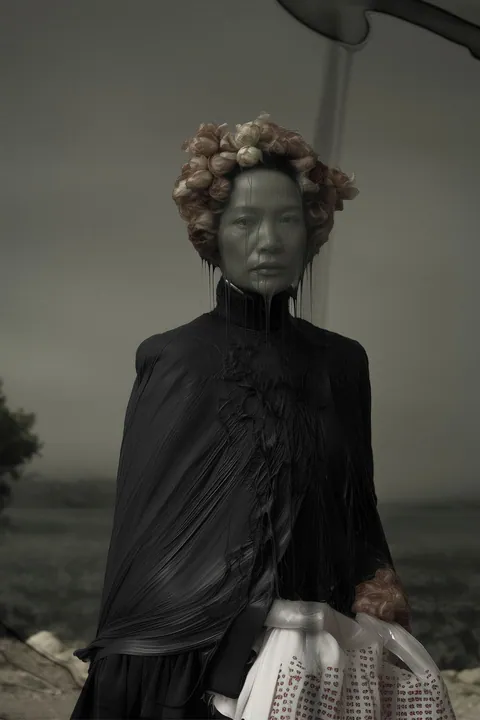
For thirty years Basilé has photographed two geographies that are, in the end, one. The earth with its wrinkles — lava, reeds, snow, salt — and the face with its erosions, its fault lines, its stones. He has never told a landscape apart from a skin: both are maps of the time that has passed through them. Pliny tells us painting was born when a girl traced on the wall the shadow of her beloved before he left. Basilé does the same with the shadows of those who are leaving: not to hold them, but to let them pass with dignity. That is why he does not tell stories; he gathers presences. Ritraggo ma non ritratto — he portrays without withdrawing: he dresses his subjects as icons are dressed, encloses them in cloth as in an altar, and then waits for the earth around them to begin speaking their language. A way of looking learned from the cinema he grew up with — the pain of Pasolini, the unvarnished truth of Neorealism, the faces of Kassovitz’s La Haine — where the sacred lived in faces taken from the street, and the street was already a sacred landscape.
But images alone stay on the ground. It is Marco del Bene’s music that makes them cross over. Del Bene always begins with living matter — a real instrument, a breath, a string — and carries it into a space that no longer belongs to the body that produced it. Saint Augustine wrote that “singing belongs to one who loves”: his score does not comment on the journey, it loves it. Voices overlap like the footsteps of the last, one upon another, none alone. It is the polyphony Dante hears as he rises, “the sweet symphony of Paradise,” where every voice remains itself and together becomes one. When the priest opens his mouth on the cry we cannot hear, it is the music that cries for him. When the earth turns white, it is sound that becomes water.
Pythagoras believed the spheres, turning, made a music we cannot hear because it has always been there. The film ends there: where the image falls silent and only that sound remains. “The love that moves the sun and the other stars.”
“Theatrum Mundi” was presented at GIANT SIGNALS, Art Innovation’s exhibition on the monumental LED screens of Times Square: three evenings, 25–27 September 2026, from 6:30 PM, on the billboards of 5 Times Square.
 Magnifica Humanitas
 Rerum Novarum
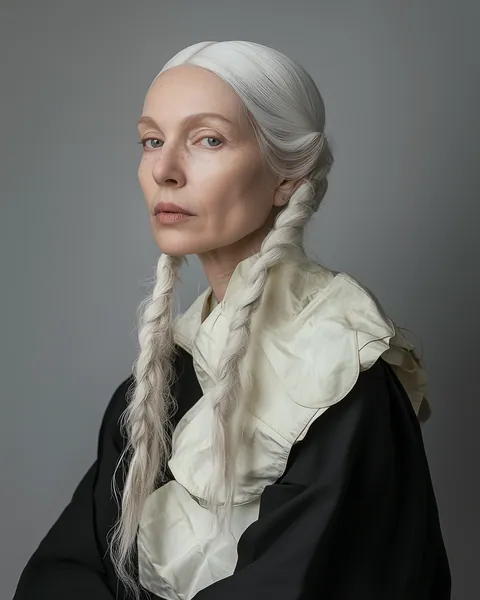 Lumen et Ombra
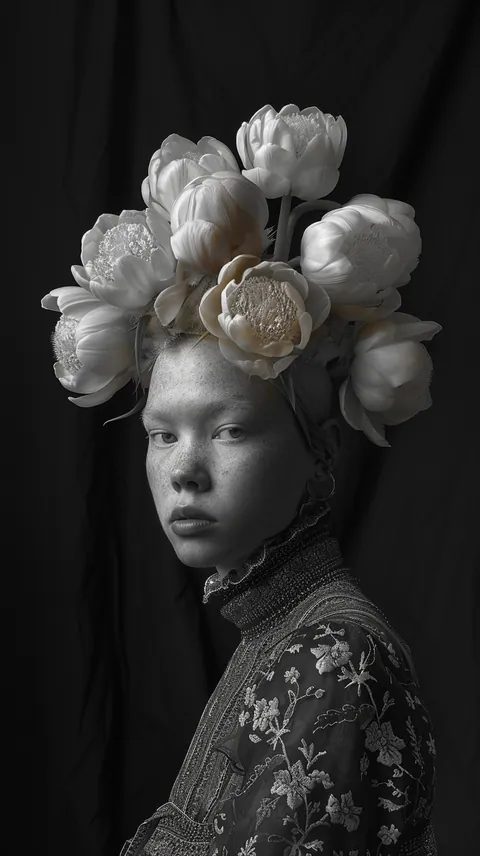 Floramagnifica
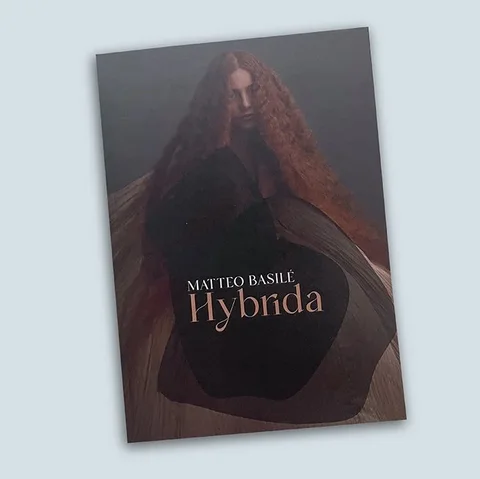
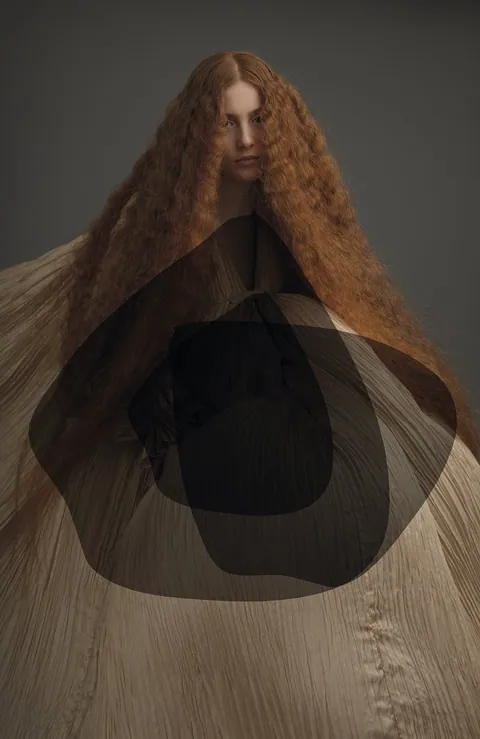 Hybrida
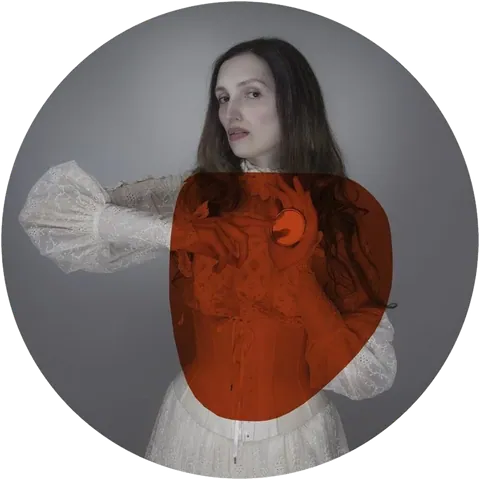 Pietra Santa
Video works · 2025
With Pholisma Sonorae, Matteo Basilé reimagines the contemporary portrait, navigating a liminal space where identity, technology and perception converge. The portrait as augmented vision and symbolic synthesis.
Critical voices
«For thirty years Matteo Basilé has photographed what the world prefers not to look at: saints and madmen, bodies at the border, faces bearing the weight of time.»
Museums and institutions (08)
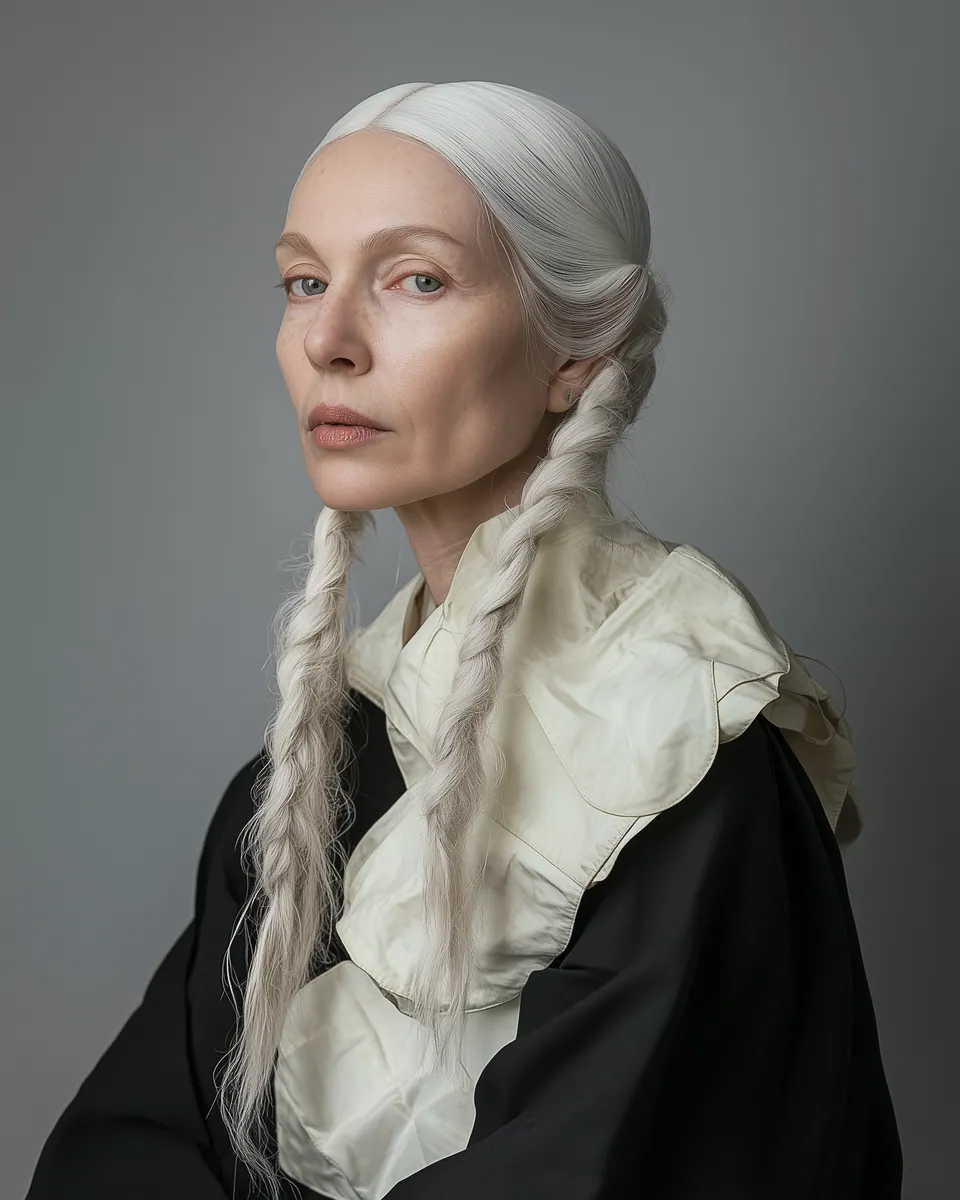
All the works are phygital: when a device is brought close, each opens into a second state, invisible to the naked eye, like altarpieces that opened only on feast days.
Receive invitations to openings and news about new works.
Press release, images and contacts for Magnifica Humanitas.
Press office
Constance Ponti · ponti.iicparigi@gmail.com